Barcode maker
Scannable barcodes for products, shelves and stock takes (Code128, UPC, EAN) with the check digit worked out for you.
- It all happens here
- Every part runs in your browser and it works with the internet off. Nothing leaves this page unless you ask us to send it to you.
- No account, ever
- No sign-up and no trial that turns into a bill. We only take your email if you ask us to send you the result.
- Yours to use
- Nothing watermarked, nothing limited to a preview.
Which kind
Two questions decide this, and only two.
Letters and numbers, any length, no registration. The right answer for shelf labels, bins, internal codes and asset tags.
Letters, numbers and punctuation. Any length.
Size
What matters is the proportions, not the pixels.
80 is a good default. Taller is easier to scan at an angle, which matters on a shelf edge.
2 or 3 for a label; more for something scanned from a distance. Under 2 risks a printer smudging two bars together.
156 modules wide, including the plain margin either side that scanners need to find it.
Before you print a thousand
- Do not squash it sideways. The bar widths carry the meaning, so stretching one axis and not the other stops it scanning. Scale both together.
- Leave the margins alone. The blank space at each end is how a scanner finds where the code begins. Cropping to the bars is the most common way a printed barcode fails.
- Black on white. Not on a colored background, not in your brand color, not on a dark label. Red is effectively invisible to some older scanners.
- Test the printed one, not the one on screen. The screen is not where it will fail.
Send it to yourself
Fill in the barcode maker above and we will send you what it makes.
What this is, if you have never had to think about it
Most people arrive here having been told they need one of these, without being told what it is. Nothing below assumes you already know.
Which barcode you need, in one paragraph
If it is going on a product sold in shops, you need a UPC or EAN, and you have to buy the numbers from GS1, because they are a globally unique registry rather than something to invent. If it is for your own use (shelf labels, stock takes, internal codes, asset tags) use Code128, which will happily encode whatever you type and costs nothing. Most small businesses need the second and think they need the first.
What the check digit is for
The last digit of a UPC or EAN is not part of the number; it is arithmetic done on the digits before it. A scanner recalculates it on every read, and if it disagrees it rejects the scan rather than recording the wrong item. It is why a slightly smudged barcode gives a beep of failure instead of quietly selling the wrong thing. This tool works it out for you and tells you if a number you have entered does not add up.
Printing barcodes that actually scan
Three things ruin more barcodes than anything else. Not enough plain space at either end: scanners need a clear margin to find where the code starts. Poor contrast: black on white, never color on color and never on a dark background. And scaling that squashes it horizontally, which changes the bar widths that carry the meaning. Print an SVG at its true proportions and leave the margin alone.
Questions people ask
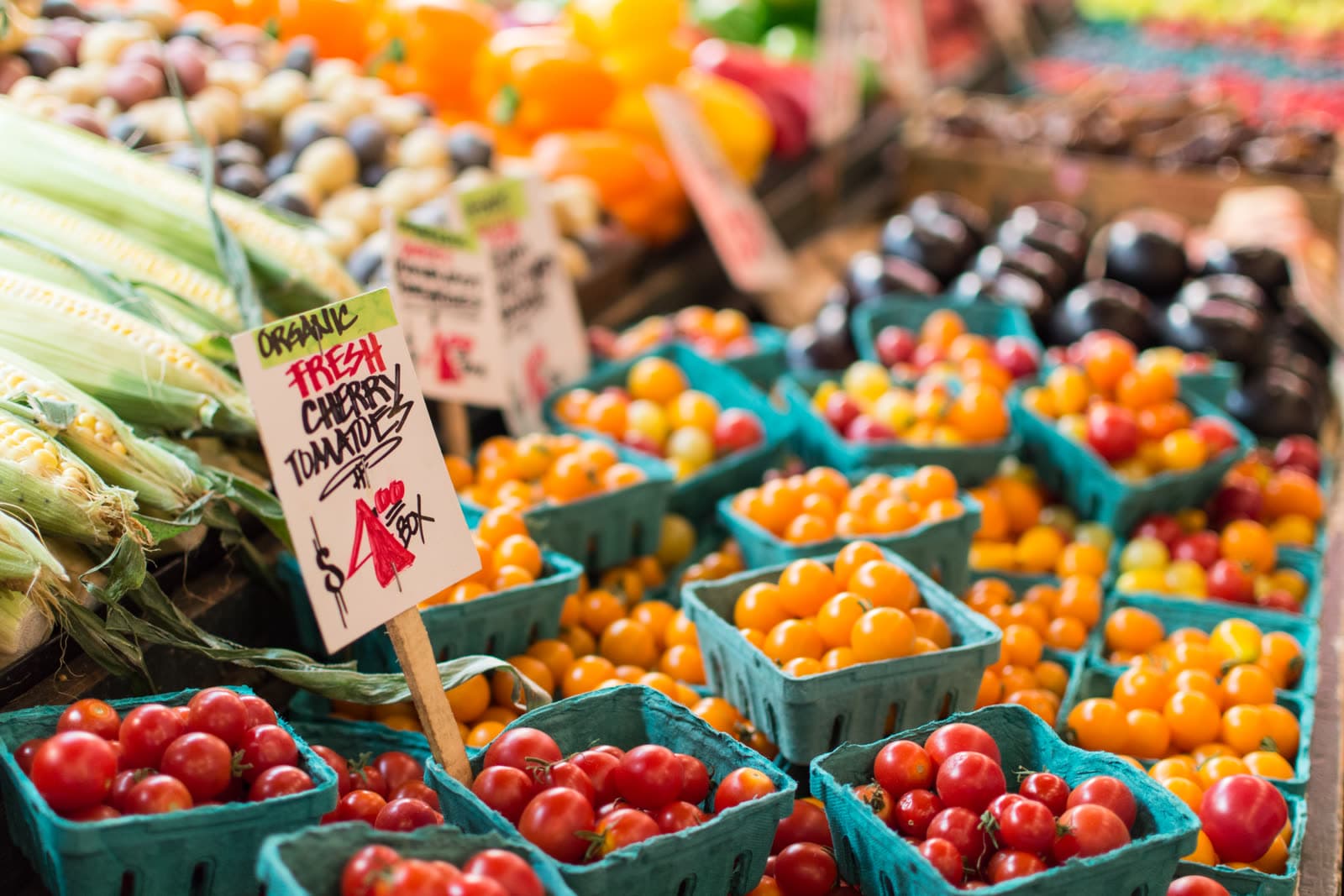
A label is only useful if something is counting.
Stock is what sits behind the scan: how many are left, where they are, which ones are about to run out, and a number that is the same whether it sold online, over the counter, or over the phone.